
Converse com a Ava - Sua Consultora AI de Negócios

Olá, eu sou a Ava, seu guia de IA para turbinar seus negócios!
Se você já está a frente de um negócio ou sonha em começar um, estou aqui para te ajudar a transformar suas ideias em realidade usando freelancers com a ajuda de tecnologia de IA. Compartilhe seus objetivos de negócio e, juntos, criaremos um projeto pelo qual nossos talentosos freelancers possam concorrer. Vamos transformar suas ideias em realidade!
Eu tenho um negócio
Estou começando um negócio
Algo deu errado ao enviar a conversa para o seu e-mail. Por favor, tente novamente mais tarde.
Você só pode salvar sua conversa uma vez por hora. Por favor, tente novamente mais tarde.
Sua conversa é muito curta. Continue conversando com a Ava para permitir o salvamento.

Contrate
DOS Developers
especializados para qualquer trabalho
Milhões de pessoas usam o Freelancer.com para transformar suas ideias em realidade.
Recomendada pelas principais marcas e startups


Contratar DOS Developers


$20 por hora

$10 por hora


$12 por hora

$9 por hora
Os clientes avaliam nosso DOS Developers
4.85 de 5
de 7.908 avaliações
Como contratar um ótimo DOS Developer freelance
DOS stands for disk operating systems and is one of the original operating systems that use a basic command line. A popular system in the early 1980’s to mid 1990’s; the system had a unique structure including the command line interface, directory structure and version information.
While early Microsoft Windows systems ran on DOS, there was a decline in use by PC users however there has been a continued use in systems such as FreeDOS, DR-DOS, ROM-DOS, PTS-DOS and REAL/32.
DOS commands a super simple to use and remember and it has over the years been a reliable and stable operating systems for users and developers. All modern versions of Windows use DOS as the underlying operating system, due to its reliable and simple to use functions and the lack of space required should individuals be working on a slow computer with limited memory space.
DOS commands cover common tasks that are built into the command bar, there are dozens of commands ranging from DIR to SORT, right through to TYPE and SET which are all used to provide clear commands for functions within the operating system.
Benefits of using DOS for business include:
DOS operating systems can be used for a range of business processes and is a suitable operating system for businesses and individuals who are looking for a straightforward and traditional system that focuses on simple commands without the full source code of modern operating systems.
While there are a range of shiny new operating systems that have taken the world by storm, sometime simple is best and there are a range of features for DOS that developers have outlined which benefit the user’s productivity.
Features for users of DOS include:
If you’re looking for a DOS developer who understand how to write commands for DOS, you can find an array of suitable freelancers available with the skill set you need on Freelancer.com.
Log onto Freelancer.com and view the range of DOS experts who can provide the coding expertise you need for your project.

Freelancer Enterprise
Orçamento da empresa? Faça mais por menos
Use nossa mão de obra de 50 milhões de pessoas para ajudar seu negócio a alcançar mais objetivos.

Freelancer API
50 milhões de profissionais sob demanda
Por que contratar pessoas quando você pode simplesmente integrar nossa talentosa mão de obra em nuvem?
Como funciona a contratação de um DOS Developer

1. Publique um trabalho

2. Escolha freelancers

3. Registre o progresso

4. Pague com segurança
Então, o que você está esperando?
Publique um projeto hoje mesmo e receba ofertas de diversos freelancers talentosos.
Trabalhos demonstrados de nossos freelancers
Inspire-se nos projetos de DOS

Descubra Mais
Design de Website.
US$540 em 7 dias.
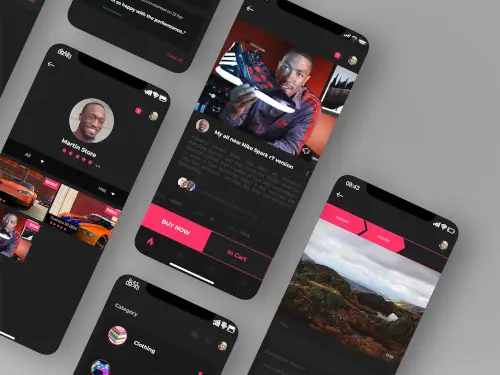
Descubra Mais
Design de Aplicativos.
US$100 em 1 dia.

Descubra Mais
Site.
US$430 em 1 dia.
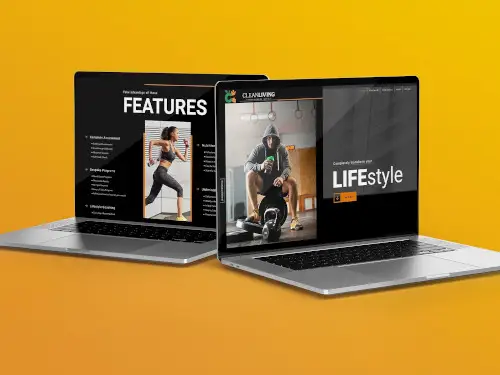
Descubra Mais
Design de Website.
US$140 em 13 dias.
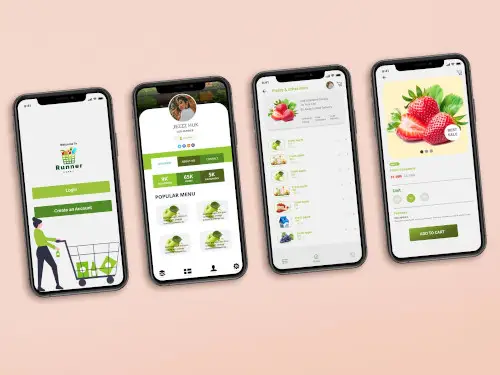
Descubra Mais
Design de Aplicativos.
US$200 em 19 dias.
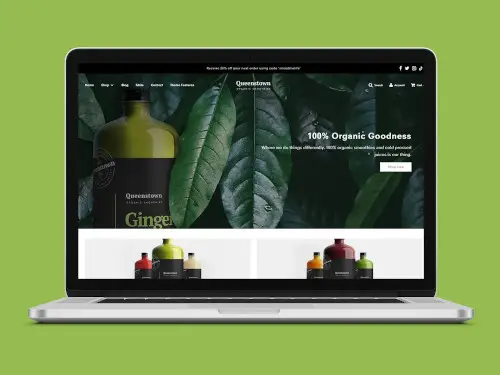
Descubra Mais
Site.
US$150 em 13 dias.
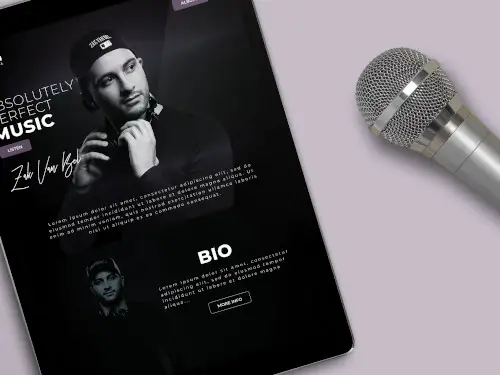
Descubra Mais
Site.
US$240 em 1 dia.
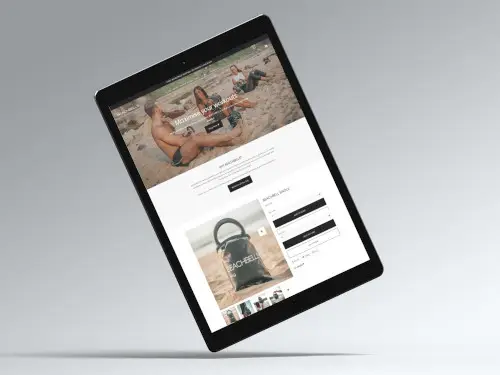
Descubra Mais
Site.
US$100 em 1 dia.
Como divulgado em


O maior mercado do mundo
Milhões de usuários, de pequenas empresas a grandes corporações, de empreendedores a startups, usam o Freelancer para transformar suas ideias em realidade.
73.1 milhões
73.1 milhões
Usuários Registrados
23.7 milhões
23.7 milhões
Total de Trabalhos Publicados
Buscando freelancers para outros tipos de trabalho?
Obrigado! Te enviamos um link por e-mail para que você possa reivindicar seu crédito gratuito.
Algo deu errado ao enviar seu e-mail. Por favor, tente novamente.



Não foi possível copiar para a área de transferência, por favor, tente novamente após ajustar suas permissões.
Copiado para a área de transferência.
Carregando pré-visualização
Permissão concedida para Geolocalização.
Sua sessão expirou e você foi desconectado. Por favor, faça login novamente.